


Mastering Your Colour Vision: A Comprehensive Timeline Guide for Your Paint Project

Embarking on a paint project can be both exhilarating and daunting. Whether you are refreshing your home, injecting new life into your office, or prepping for a significant renovation, having a structured timeline can make the process smoother and far more enjoyable. This guide is designed to walk you through each stage of your painting project, ensuring you’re well-prepared and informed every step of the way.
Step 1: Define Your Vision
The first and most crucial step in planning your paint project is to define your vision. This involves several key questions:
What are the areas you want to paint?
What colours are you considering?
Are you looking for a finish that will complement existing decor?
Do you have any specific themes or moods you wish to create?
Collect inspiration from various sources such as interior design blogs, magazines, and, of course, social media platforms like Pinterest and Instagram. This research will help you clarify your preferences and provide you with ideas to discuss with your chosen painters in Dublin or painting contractors.
Step 2: Estimate Your Budget
Once you have a clear vision for your paint project, it’s time to establish your budget. This includes not only the cost of paint but also the fees associated with hiring painting contractors if you choose to go that route. Keep the following in mind:
Paint type and quality: Higher quality paints may require a larger initial outlay but often save money in the long run.
Labour costs: Depending on the size of the project, the total can vary widely. Hiring painters Dublin can be an excellent investment for a professional finish.
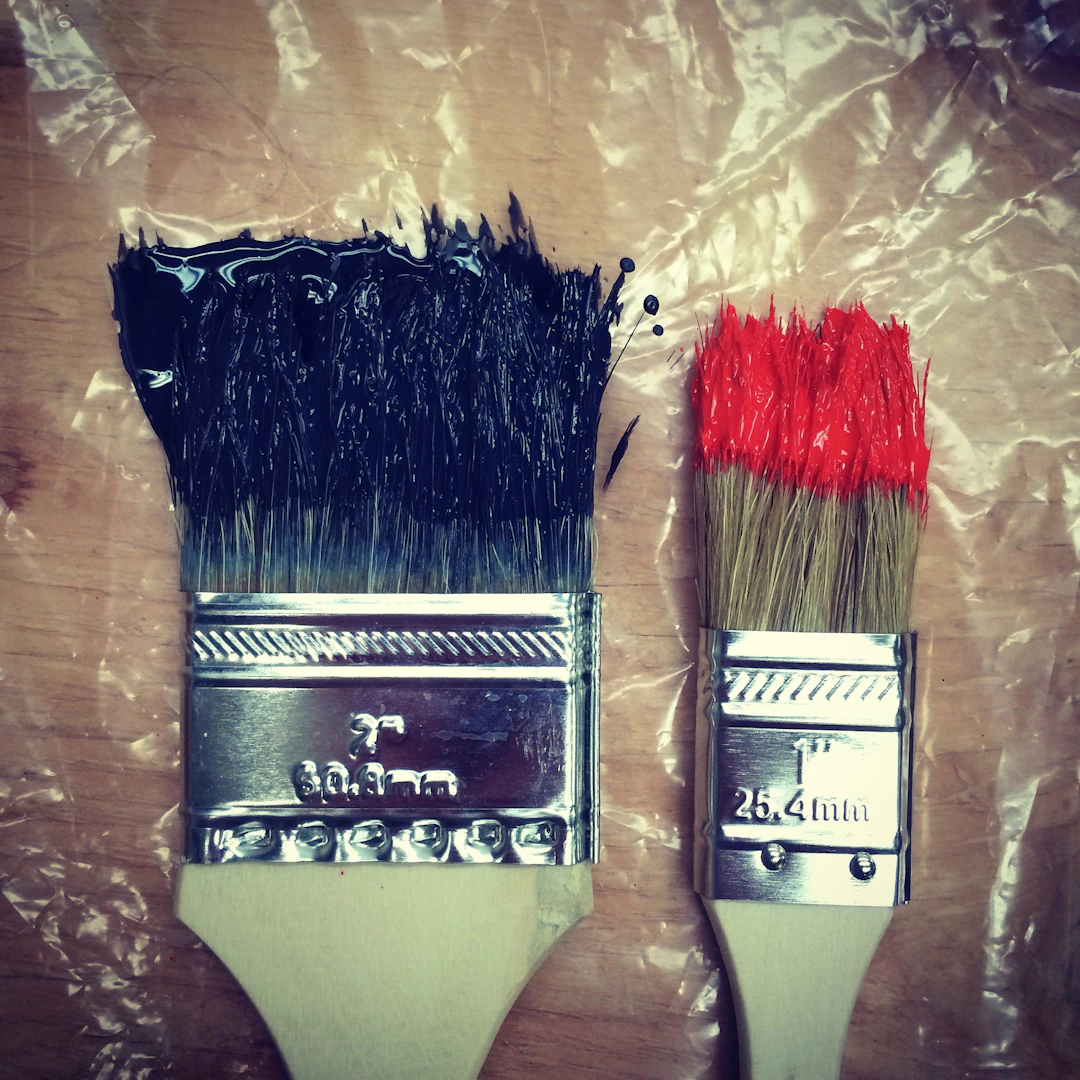
Additional materials: Brushes, rollers, drop cloths, and other supplies should also be factored into your budget.
Having a detailed budget helps prevent overspending and gives you a clear picture of the financial investment required for your painting project.
Step 3: Create a Detailed Timeline
Developing a timeline is vital, as it ensures you stay organised and on track throughout the project. Below are the phases you should include in your timeline:
Phase 1: Preparation (1-2 Weeks)
Preparation is one of the most critical stages of any paint project. It’s often overlooked, but proper prep work sets the foundation for a successful painting experience. This phase involves:
Clearing the room: Move furniture and cover floors with protective materials.
Cleaning surfaces: Ensure walls are free of dirt, grease, and cobwebs.
Repairing damage: Fill in holes and cracks, sand surfaces, and ensure the walls are smooth.
Choosing your finishes: Select the right paint finish (matte, satin, gloss) that suits both your style and functionality needs.
Consider reaching out to painters in Dublin if you need assistance during this phase as they can offer invaluable advice on preparation and materials.
Phase 2: Choosing Your Paint (1 Week)
With your preparation complete, it’s time to select your paint. Factors to consider here include:
Colour: Choose a colour that resonates with your vision and complements your interior design.
Quality: Opt for a reputable brand that suits your budget; consider eco-friendly options if sustainability is a priority.
Sample patches: Always test paint samples on your walls to see how the colour looks in different lighting conditions.
During this phase, consulting with painting contractors can help you make educated choices that fit both your aesthetic and functional requirements.
Phase 3: Execution (1-2 Weeks)
The fun part—time to paint! Depending on the size of the project, this phase can take from a few days to a couple of weeks. If you’re hiring painters Dublin, make sure to coordinate their schedule with your own. Keep these tasks in mind:
Priming: If you’re making a significant colour change or painting over a darker shade, priming the walls may be necessary.
Painting: Use quality brushes and rollers, and remember that multiple coats may be needed for rich or dark colours.
Drying time: Allow each coat to dry thoroughly before applying the next.
Ensure proper ventilation during this phase to avoid paint fumes and hasten drying times.
Phase 4: Cleanup and Touch-ups (1 Week)
Once the painting is complete, make sure to clean up any spills or drips. Attention to detail is essential during this phase, ensuring a polished final look. Points to cover include:
Remove painter’s tape carefully to avoid pulling off paint.
Conduct a thorough inspection for any areas requiring touch-ups.
Reinstall furniture and artwork, taking care to avoid scuffing your fresh paint.
This phase also presents an opportunity to reflect on your choices and see how well they blend together in your space.
Step 4: Maintain Your Space
After completing your painting project, regular maintenance is key to keeping your new space looking fresh. Here are some tips:
Clean walls gently with a damp cloth—avoid abrasive materials.
Touch up scratches or marks immediately to avoid longer-term damage.
Consider periodic re-evaluations for any needed maintenance every few years.
Establishing a maintenance routine can prolong the life of your work and maintain the vibrant look of your newly painted spaces.
Your Painting Journey Awaits!
By following this comprehensive timeline guide to your paint project, you equip yourself with the knowledge and structure necessary for success. From defining your vision and budgeting to executing and maintaining your work, each step plays a pivotal role in bringing your colour dreams to life.
Whether you choose to undertake the project personally or enlist the expertise of painters in Dublin, remember to be patient and enjoy the process. Your newly painted space is not just about aesthetic appeal but also about creating a welcoming environment that reflects who you are. Start planning today and see how a fresh coat of paint can revitalize your home or business.
FAQs
What is the first step in planning a paint project?
The first step is to define your vision, which involves considering the areas you want to paint, the colours you are considering, and any specific themes or moods you wish to create.
How can I estimate my budget for a paint project?
To estimate your budget, consider the cost of paint, labour costs if hiring contractors, and additional materials like brushes and drop cloths.
What should be included in the detailed timeline for a paint project?
The timeline should include preparation, choosing your paint, execution, and cleanup and touch-ups.
Why is preparation important in a paint project?
Preparation is critical as it sets the foundation for a successful painting experience, including clearing the room, cleaning surfaces, and repairing damage.
How can I maintain my newly painted space?
Regular maintenance includes gently cleaning walls, touching up scratches immediately, and periodically reevaluating for any needed maintenance.


Comments